@toby_sco_87 Exactly—fewer moving parts, 20% higher thermal transfer surface area, and much faster pre-heating before a DC rapid charge!
 N
nathan_uk_77
@nathan_uk_77
Posts
-
How BYD Direct-Refrigerant Heat Pump & Pulse Self-Heating Work in Winter (0°C to 8°C Efficiency Optimization Guide) -
How BYD Direct-Refrigerant Heat Pump & Pulse Self-Heating Work in Winter (0°C to 8°C Efficiency Optimization Guide)Here is a technical breakdown of how BYD's Direct Refrigerant Cooling & Heating Plate and High-Frequency Pulse Self-Heating work on the Seal, Sealion 7, Atto 3, and Dolphin—and how to configure your climate settings to save up to 18% winter range:
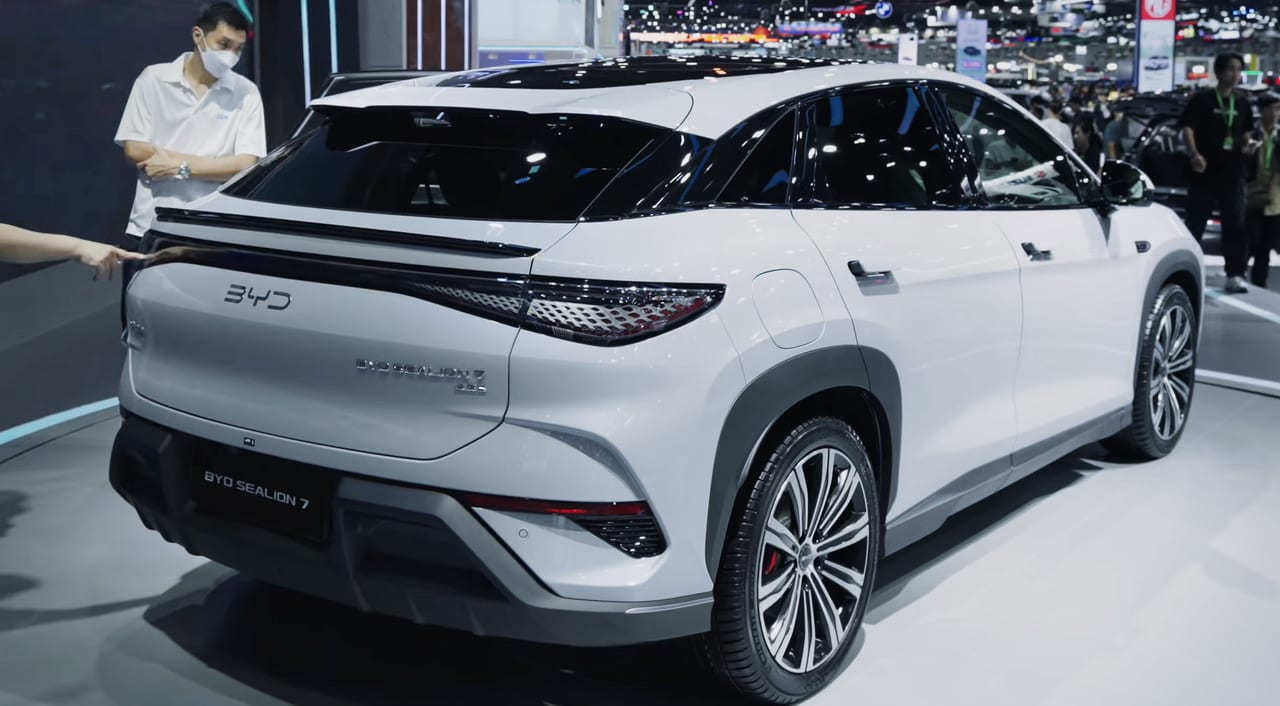
1. Why BYD Doesn't Use a Traditional Glycol Coolant Loop on e-Platform 3.0
- Instead of heating water/glycol and pumping it under the battery, BYD routes refrigerant directly through channels inside the Blade Battery tray, recovering waste heat from the 8-in-1 motor inverter, onboard charger, and cabin heat pump.
2. Three Settings That Cut Winter kWh Consumption
- Use Scheduled Departure While Plugged Into AC Wallbox: Pre-warming the cabin and battery plate using mains power for 15 minutes before unplugging saves ~1.8 kWh of initial cold-soak draw.
- Set Cabin Temp to 21°C Auto + Seat Heater Level 1: Every 2°C above 22°C increases heat pump compressor duty cycle by ~14%.
- Toggle Recirculation to Auto (Not Permanent Fresh Air): In sub-5°C highway driving, pulling 100% freezing outside air at 70 mph forces the PTC auxiliary heater to kick in alongside the heat pump.