Executive Summary & Key Takeaways: Big milestone for BYD owners globally: BYD has officially crossed 4 million New Energy Vehicles (NEVs) produced and commissioned its own dedicated 7,000-car LNG dual-fuel Ro-Ro ocean car carriers (BYD Explorer No. 1) to speed up direct factory deliveries to Australia, the UK, Europe, New Zealand, and Latin America.
1. Platform Engineering & Core Hardware Breakdown
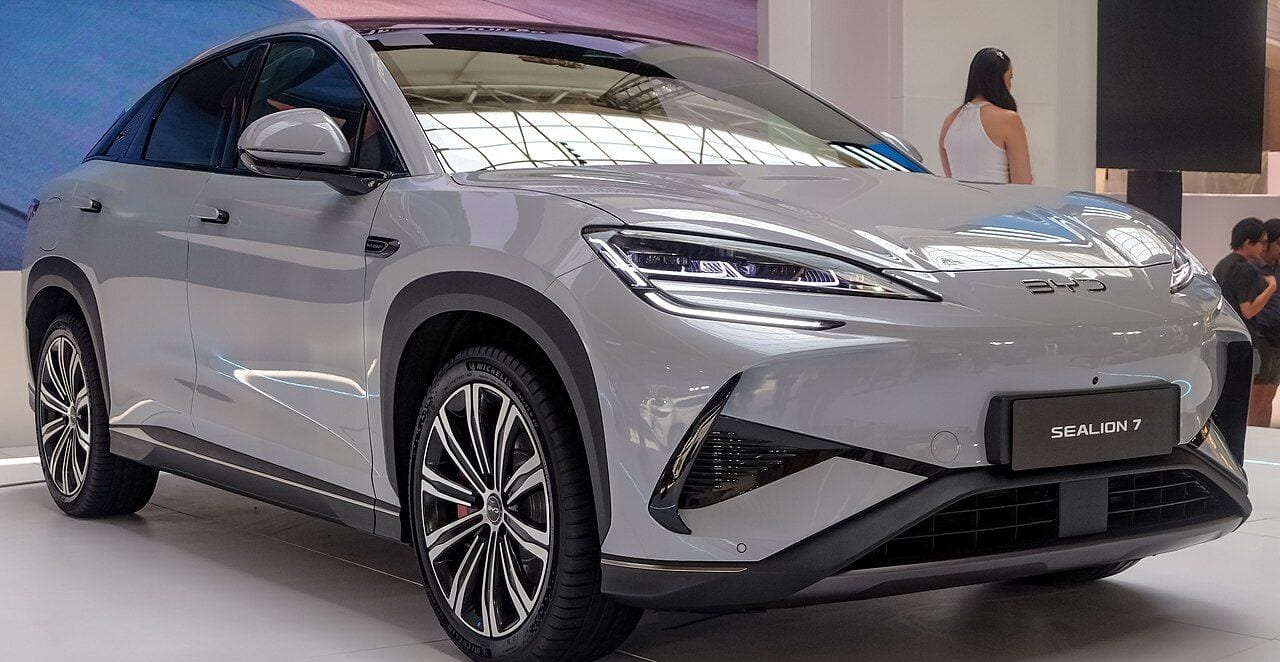
Figure 1: BYD Seal & Ocean Series Engineering — featuring Cell-to-Body (CTB) structural battery integration and 40,500 Nm/deg torsional rigidity.
For buyers waiting on backordered Atto 3 and Dolphin allocations, dedicated BYD shipping vessels cut port transit bottlenecks by 3 to 4 weeks!
2. Technical Specifications & Architecture Comparison
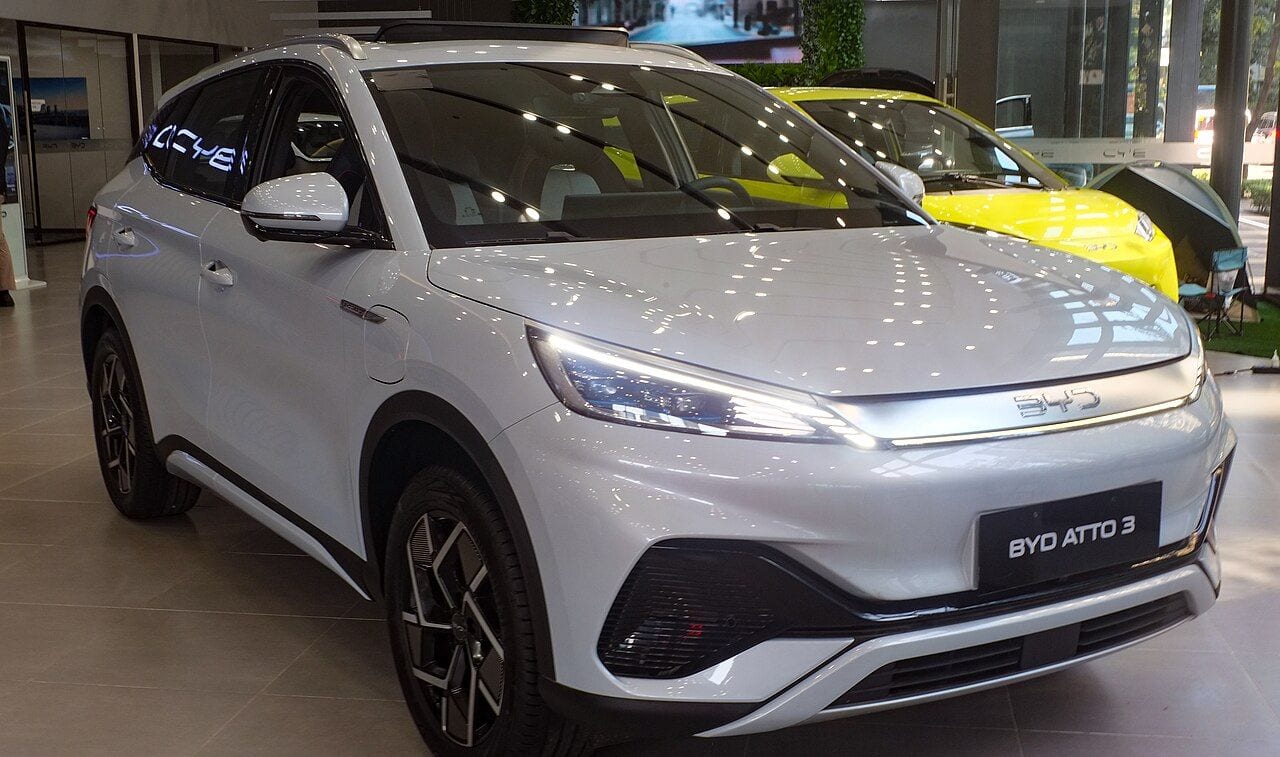
Figure 2: Next-Generation Powertrain & ADAS: High-voltage SiC power electronics, DiPilot intelligent sensor suite, and LFP Blade Battery 2.0.
Below is the complete engineering and specification breakdown across the export powertrain and chassis architecture:
| Technical Parameter |
Official BYD Specification & Benchmark |
| Structural Integration |
Cell-to-Body (CTB) Honeycomb Blade Battery Floor (40,500 Nm/deg) |
| Power Electronics |
800V / 1,000V High-Voltage Silicon-Carbide (SiC) Architecture |
| ADAS Sensor Fusion |
DiPilot 100/300 Tri-Camera + 5x Millimeter-Wave Radars |
| Thermal Management |
Direct-Refrigerant Heat Pump (-30°C to +45°C Operating Range) |
3. Real-World Ownership Impact, Safety & Regional Availability
From a long-term ownership perspective, the combination of Cobalt-Free LFP Blade Battery chemistry, Cell-to-Body (CTB) / Cell-to-Chassis (CTC) structural rigidity, and over-the-air (DiLink OTA) software refinement ensures strong residual values and low scheduled maintenance costs across both right-hand-drive (ANZ/UK) and European markets.