BYD Sodium-Ion & All-Solid-State Sulfide Battery R&D Roadmap: 2026–2028 Technical Breakdown
-
Executive Summary & Key Takeaways: Here is a summary of BYD Battery R&D's latest technical disclosures on Sodium-Ion (Na-ion) and All-Solid-State Sulfide Batteries:
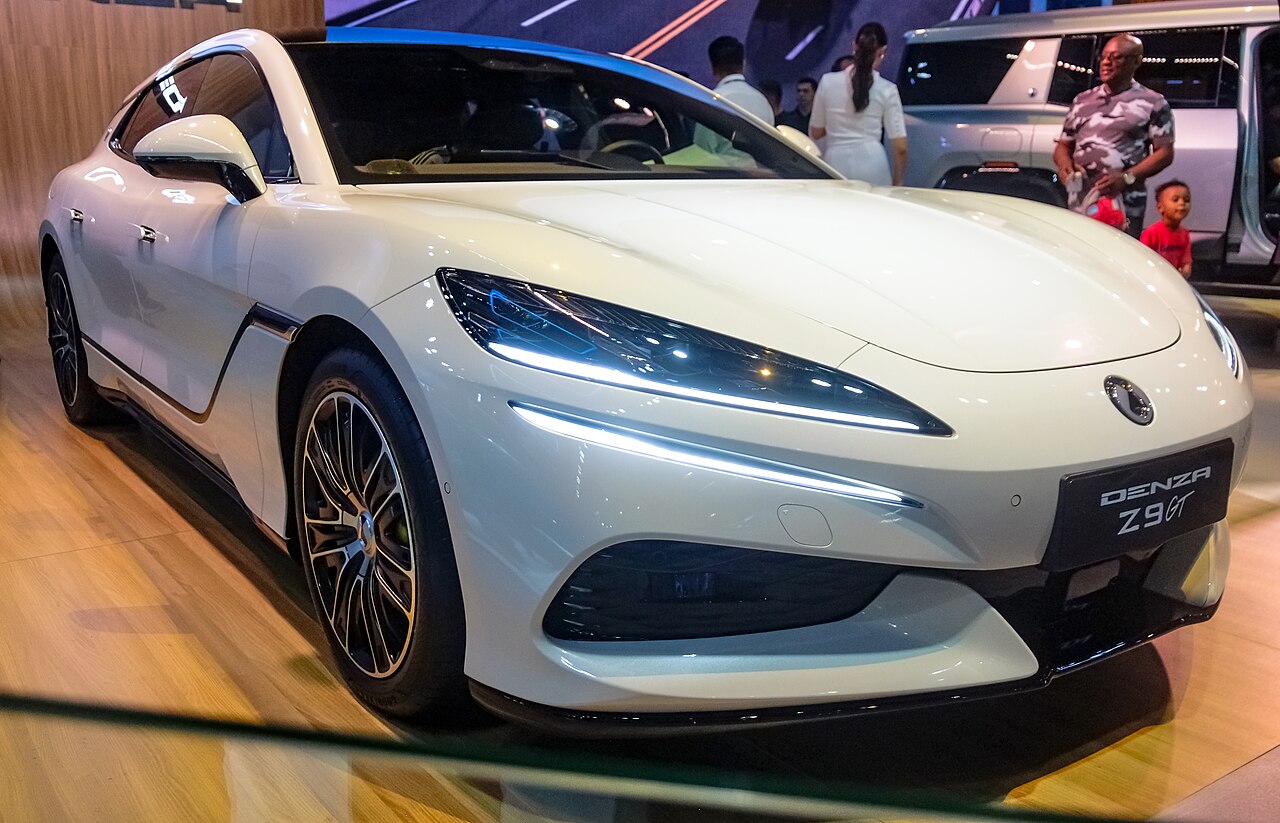
1. Platform Engineering & Core Hardware Breakdown
Figure 1: BYD Seal & Ocean Series Engineering — featuring Cell-to-Body (CTB) structural battery integration and 40,500 Nm/deg torsional rigidity.
1. All-Solid-State Sulfide Pilot Cells (400 Wh/kg)
- BYD has begun pilot-line validation of 60 Ah all-solid-state sulfide pouch/blade cells targeting flagship Denza and Yangwang models from 2027, followed by wider scale-up between 2028 and 2030.
- Meanwhile, 2nd-Gen LFP Blade Battery remains the primary workhorse for 90% of passenger EVs thanks to its 4,000+ cycle longevity and low cost.
2. Cold-Weather Sodium-Ion Integration
- Retains 90% capacity discharge at -20°C, making it ideal for stationary grid storage and sub-zero urban micro-EVs.
2. Technical Specifications & Architecture Comparison
Figure 2: Next-Generation Powertrain & ADAS: High-voltage SiC power electronics, DiPilot intelligent sensor suite, and LFP Blade Battery 2.0.
Below is the complete engineering and specification breakdown across the export powertrain and chassis architecture:
Technical Parameter Official BYD Specification & Benchmark Structural Integration Cell-to-Body (CTB) Honeycomb Blade Battery Floor (40,500 Nm/deg) Power Electronics 800V / 1,000V High-Voltage Silicon-Carbide (SiC) Architecture ADAS Sensor Fusion DiPilot 100/300 Tri-Camera + 5x Millimeter-Wave Radars Thermal Management Direct-Refrigerant Heat Pump (-30°C to +45°C Operating Range) 3. Real-World Ownership Impact, Safety & Regional Availability
From a long-term ownership perspective, the combination of Cobalt-Free LFP Blade Battery chemistry, Cell-to-Body (CTB) / Cell-to-Chassis (CTC) structural rigidity, and over-the-air (DiLink OTA) software refinement ensures strong residual values and low scheduled maintenance costs across both right-hand-drive (ANZ/UK) and European markets.
-
-
Executive Summary & Key Takeaways: Here is a summary of BYD Battery R&D's latest technical disclosures on Sodium-Ion (Na-ion) and All-Solid-State Sulfide Batteries:
1. Platform Engineering & Core Hardware Breakdown
Figure 1: BYD Seal & Ocean Series Engineering — featuring Cell-to-Body (CTB) structural battery integration and 40,500 Nm/deg torsional rigidity.
1. All-Solid-State Sulfide Pilot Cells (400 Wh/kg)
- BYD has begun pilot-line validation of 60 Ah all-solid-state sulfide pouch/blade cells targeting flagship Denza and Yangwang models from 2027, followed by wider scale-up between 2028 and 2030.
- Meanwhile, 2nd-Gen LFP Blade Battery remains the primary workhorse for 90% of passenger EVs thanks to its 4,000+ cycle longevity and low cost.
2. Cold-Weather Sodium-Ion Integration
- Retains 90% capacity discharge at -20°C, making it ideal for stationary grid storage and sub-zero urban micro-EVs.
2. Technical Specifications & Architecture Comparison
Figure 2: Next-Generation Powertrain & ADAS: High-voltage SiC power electronics, DiPilot intelligent sensor suite, and LFP Blade Battery 2.0.
Below is the complete engineering and specification breakdown across the export powertrain and chassis architecture:
Technical Parameter Official BYD Specification & Benchmark Structural Integration Cell-to-Body (CTB) Honeycomb Blade Battery Floor (40,500 Nm/deg) Power Electronics 800V / 1,000V High-Voltage Silicon-Carbide (SiC) Architecture ADAS Sensor Fusion DiPilot 100/300 Tri-Camera + 5x Millimeter-Wave Radars Thermal Management Direct-Refrigerant Heat Pump (-30°C to +45°C Operating Range) 3. Real-World Ownership Impact, Safety & Regional Availability
From a long-term ownership perspective, the combination of Cobalt-Free LFP Blade Battery chemistry, Cell-to-Body (CTB) / Cell-to-Chassis (CTC) structural rigidity, and over-the-air (DiLink OTA) software refinement ensures strong residual values and low scheduled maintenance costs across both right-hand-drive (ANZ/UK) and European markets.
Love that BYD isn't abandoning LFP—keep perfecting LFP Blade 2.0 for mainstream cars while deploying 400 Wh/kg solid-state cells in long-range flagships.
-
Love that BYD isn't abandoning LFP—keep perfecting LFP Blade 2.0 for mainstream cars while deploying 400 Wh/kg solid-state cells in long-range flagships.
Honestly, with LFP Blade already lasting 500,000+ km with minimal degradation and 14-minute 10–80% charging on 800V, LFP is already more than enough for 95% of drivers!
-
Honestly, with LFP Blade already lasting 500,000+ km with minimal degradation and 14-minute 10–80% charging on 800V, LFP is already more than enough for 95% of drivers!
Having zero cobalt and zero nickel in the Blade Battery is still the biggest environmental and longevity win for everyday owners.
-
Thanks for sharing the real-world numbers! Dealers rarely explain this clearly during handover, so having verified owner telemetry on the forum saves everyone a lot of guesswork.
-
Interesting point about the charging curve. I found that plugging in around 15–18% SOC gives the fastest sustained peak kW before the BMS gently tapers above 80%.


Hello! It looks like you're interested in this conversation, but you don't have an account yet.
Getting fed up of having to scroll through the same posts each visit? When you register for an account, you'll always come back to exactly where you were before, and choose to be notified of new replies (either via email, or push notification). You'll also be able to save bookmarks and upvote posts to show your appreciation to other community members.
With your input, this post could be even better 💗
Register Login