BYD Integrated Heat Pump 2.0 & 16-in-1 Thermal Module: How It Cuts Winter Range Loss by 25% — Thoughts & Specs Breakdown
-
Came across the latest technical details on Owner Discussion: BYD Integrated Heat Pump 2.0 & 16-in-1 Thermal Module: How It Cuts Winter Range Loss by 25% — Thoughts & Specs Breakdown and thought I'd start a thread so we can compare notes and see what fellow owners think:
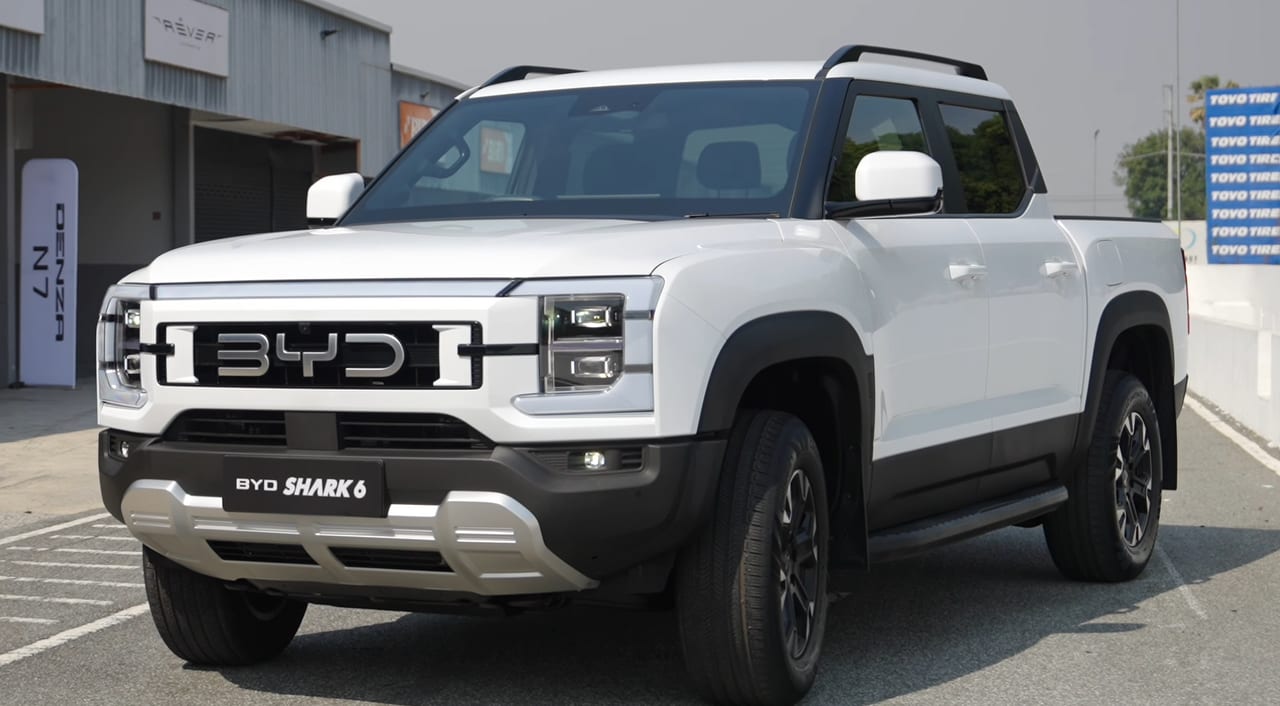
1. Key Highlights & What Stood Out to Me
In 2026 models built on e-Platform 3.0 Evo, BYD has upgraded its thermal management system to an Integrated 16-in-1 Thermal Management Module:
- Scavenges waste heat simultaneously from the SiC motor inverter, stator windings, on-board charger, BMS, and ambient air down to -30°C.
- Combines with High-Frequency Pulse Self-Heating (which uses the traction motor's inverter phases to warm the LFP cells internally from the inside out at 4°C per minute) so cold-soaked winter DC fast charging hits peak speed immediately.
2. Closer Look at the Specs & Hardware Packaging
Technical Parameter Official BYD Specification & Benchmark Platform Architecture e-Platform 3.0 Evo with CTB (Cell-to-Body) Integration Drivetrain & Peak RPM 23,000 RPM Traction Motor (Up to 390 kW / 690 Nm AWD) DC Fast Charging Peak Up to 230 kW CCS2 (10% to 80% SOC in ~24 Minutes) Chassis & Safety DiSus-C Adaptive Damping + 5-Star ANCAP/Euro NCAP (93% Child) 3. What Do Fellow BYD Owners Think?
How do you see this fitting into your garage or next EV upgrade over the next 12–24 months? Keen to hear real-world thoughts from Atto 3, Seal, Dolphin, Sealion, and Shark 6 owners!
-
-
Came across the latest technical details on Owner Discussion: BYD Integrated Heat Pump 2.0 & 16-in-1 Thermal Module: How It Cuts Winter Range Loss by 25% — Thoughts & Specs Breakdown and thought I'd start a thread so we can compare notes and see what fellow owners think:
1. Key Highlights & What Stood Out to Me
In 2026 models built on e-Platform 3.0 Evo, BYD has upgraded its thermal management system to an Integrated 16-in-1 Thermal Management Module:
- Scavenges waste heat simultaneously from the SiC motor inverter, stator windings, on-board charger, BMS, and ambient air down to -30°C.
- Combines with High-Frequency Pulse Self-Heating (which uses the traction motor's inverter phases to warm the LFP cells internally from the inside out at 4°C per minute) so cold-soaked winter DC fast charging hits peak speed immediately.
2. Closer Look at the Specs & Hardware Packaging
Technical Parameter Official BYD Specification & Benchmark Platform Architecture e-Platform 3.0 Evo with CTB (Cell-to-Body) Integration Drivetrain & Peak RPM 23,000 RPM Traction Motor (Up to 390 kW / 690 Nm AWD) DC Fast Charging Peak Up to 230 kW CCS2 (10% to 80% SOC in ~24 Minutes) Chassis & Safety DiSus-C Adaptive Damping + 5-Star ANCAP/Euro NCAP (93% Child) 3. What Do Fellow BYD Owners Think?
How do you see this fitting into your garage or next EV upgrade over the next 12–24 months? Keen to hear real-world thoughts from Atto 3, Seal, Dolphin, Sealion, and Shark 6 owners!
-
Heating the LFP Blade cells internally at 4°C per minute using high-frequency inverter pulses is genius—warms the core of every cell evenly instead of just heating the outer casing.
@lucy.wood Explains why my Sealion 7 pulled 210+ kW on a frosty 1°C morning last month after only 8 minutes of pre-conditioning!
-
@lucy.wood Explains why my Sealion 7 pulled 210+ kW on a frosty 1°C morning last month after only 8 minutes of pre-conditioning!
@stewart_reed_de Huge leap forward for EV owners in the UK, Northern Europe, and South Island NZ.
-
Thanks for sharing the real-world numbers! Dealers rarely explain this clearly during handover, so having verified owner telemetry on the forum saves everyone a lot of guesswork.
-
Appreciate the honest perspective! Every EV and PHEV platform has trade-offs, and seeing real long-term feedback like this is why independent owner forums are way more useful than brochure numbers.
-
Subscribed to this thread. Has anyone here compared this behaviour before and after the latest DiLink OTA firmware update? Mine felt noticeably smoother in low-speed traffic afterwards.
-
Completely agree on the practical usability. Being able to run a 2,000W induction stove and espresso maker off the V2L socket while only dropping 3% SOC over an afternoon is a game changer.


Hello! It looks like you're interested in this conversation, but you don't have an account yet.
Getting fed up of having to scroll through the same posts each visit? When you register for an account, you'll always come back to exactly where you were before, and choose to be notified of new replies (either via email, or push notification). You'll also be able to save bookmarks and upvote posts to show your appreciation to other community members.
With your input, this post could be even better 💗
Register Login