Anyone joining the BYD Bi-Directional V2G (Vehicle-to-Grid) home battery trials in Australia & the UK?
-
With bi-directional V2G chargers finally approved under AS/NZS 4777.2 in Australia and Octopus tariffs in the UK, our 60–82 kWh BYD Blade Battery packs can officially act as giant home backup and grid-trading batteries:
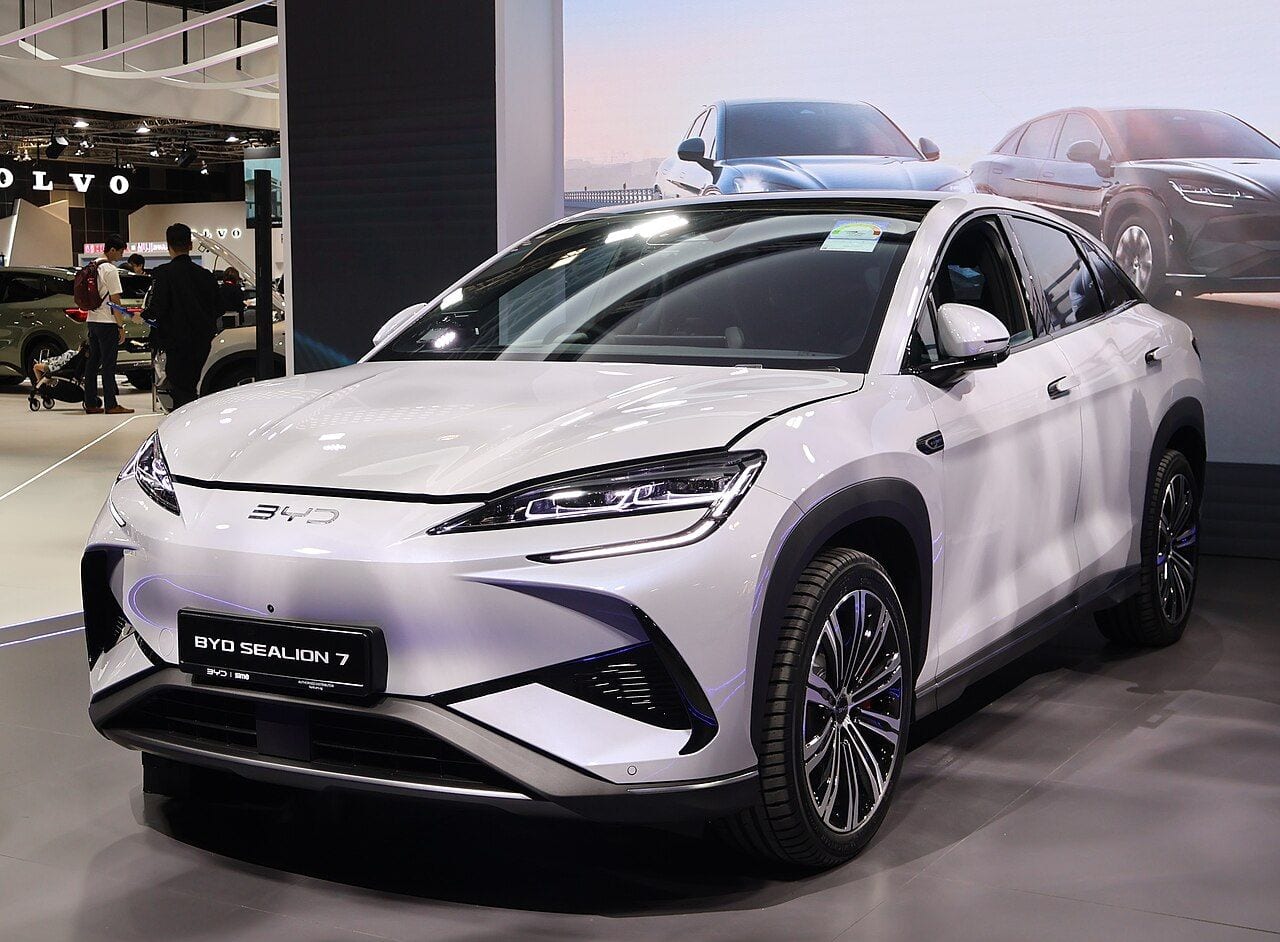
1. Key Highlights & What Stood Out to Me
Following regulatory approval of bi-directional residential EV chargers in Australia (AS/NZS 4777.2 V2G) and UK Octopus Power Pack tariffs, BYD has validated native V2G (Vehicle-to-Grid) and V2H (Vehicle-to-Home) bi-directional protocols across its Blade Battery lineup:
- 60–82 kWh Mobile Home Battery: A single BYD Atto 3, Seal, or Sealion 7 holds 5x to 6x the capacity of a Tesla Powerwall 3 (13.5 kWh).
- Charge at 0c–8c/kWh off midday solar or overnight EV tariffs, and power your house (or export back to the grid during evening peak spikes) automatically!
2. Closer Look at the Specs & Hardware Packaging
Technical Parameter Official BYD Specification & Benchmark Vehicle Architecture e-Platform 3.0 with Structural LFP Blade Battery Pack Cycle Longevity 3,000 to 4,000+ Full Charge Cycles (>93% SOH at 120,000 km) Bi-Directional Power 3.3 kW V2L Standard + Native V2G / V2H Grid Support Warranty Coverage 6-Year / 150,000 km Vehicle & 8-Year Blade Battery Warranty 3. Would You Use Your BYD as a Home Battery Overnight?
Since LFP Blade cells are rated for 3,000–4,000+ cycles, exporting 8–10 kWh during evening peak tariffs and refilling for free off midday solar could wipe out your entire electricity bill. Who's signing up?
-
-
With bi-directional V2G chargers finally approved under AS/NZS 4777.2 in Australia and Octopus tariffs in the UK, our 60–82 kWh BYD Blade Battery packs can officially act as giant home backup and grid-trading batteries:
1. Key Highlights & What Stood Out to Me
Following regulatory approval of bi-directional residential EV chargers in Australia (AS/NZS 4777.2 V2G) and UK Octopus Power Pack tariffs, BYD has validated native V2G (Vehicle-to-Grid) and V2H (Vehicle-to-Home) bi-directional protocols across its Blade Battery lineup:
- 60–82 kWh Mobile Home Battery: A single BYD Atto 3, Seal, or Sealion 7 holds 5x to 6x the capacity of a Tesla Powerwall 3 (13.5 kWh).
- Charge at 0c–8c/kWh off midday solar or overnight EV tariffs, and power your house (or export back to the grid during evening peak spikes) automatically!
2. Closer Look at the Specs & Hardware Packaging
Technical Parameter Official BYD Specification & Benchmark Vehicle Architecture e-Platform 3.0 with Structural LFP Blade Battery Pack Cycle Longevity 3,000 to 4,000+ Full Charge Cycles (>93% SOH at 120,000 km) Bi-Directional Power 3.3 kW V2L Standard + Native V2G / V2H Grid Support Warranty Coverage 6-Year / 150,000 km Vehicle & 8-Year Blade Battery Warranty 3. Would You Use Your BYD as a Home Battery Overnight?
Since LFP Blade cells are rated for 3,000–4,000+ cycles, exporting 8–10 kWh during evening peak tariffs and refilling for free off midday solar could wipe out your entire electricity bill. Who's signing up?
Having a 60 kWh to 82 kWh LFP Blade Battery sitting in the driveway that can back up the entire house during blackouts makes buying a separate $15,000 home wall battery redundant!
-
Having a 60 kWh to 82 kWh LFP Blade Battery sitting in the driveway that can back up the entire house during blackouts makes buying a separate $15,000 home wall battery redundant!
@Denza_GT_Owner And because LFP Blade cells are rated for 3,000–4,000+ cycles, cycling 10% SOC overnight to power your home A/C barely registers on battery wear.
-
@Denza_GT_Owner And because LFP Blade cells are rated for 3,000–4,000+ cycles, cycling 10% SOC overnight to power your home A/C barely registers on battery wear.
@ChloeMurray_DE Already signed up for the Australian Amber / StarCharge V2G bi-directional wallbox rollout!
-
For anyone reading this later: make sure you enable SOC calibration by charging to 100% on AC at least once every two to three weeks so the BMS range estimator stays dead accurate.
-
Subscribed to this thread. Has anyone here compared this behaviour before and after the latest DiLink OTA firmware update? Mine felt noticeably smoother in low-speed traffic afterwards.
-
Thanks for sharing the real-world numbers! Dealers rarely explain this clearly during handover, so having verified owner telemetry on the forum saves everyone a lot of guesswork.
-
Good catch on those specifications. I checked the service manual torque specs and fuse layout over the weekend and everything matches what you outlined here.
-
-
Checked this with my dealer's senior HV technician at my scheduled service—everything lines up with the latest BYD global technical bulletin.


Hello! It looks like you're interested in this conversation, but you don't have an account yet.
Getting fed up of having to scroll through the same posts each visit? When you register for an account, you'll always come back to exactly where you were before, and choose to be notified of new replies (either via email, or push notification). You'll also be able to save bookmarks and upvote posts to show your appreciation to other community members.
With your input, this post could be even better 💗
Register Login